Set the engineering case
Panel geometry, reinforcement and material descriptors, applied load, bending and shear displacements

Published research / software
Translate panel geometry and load–displacement response into equivalent modelling properties.
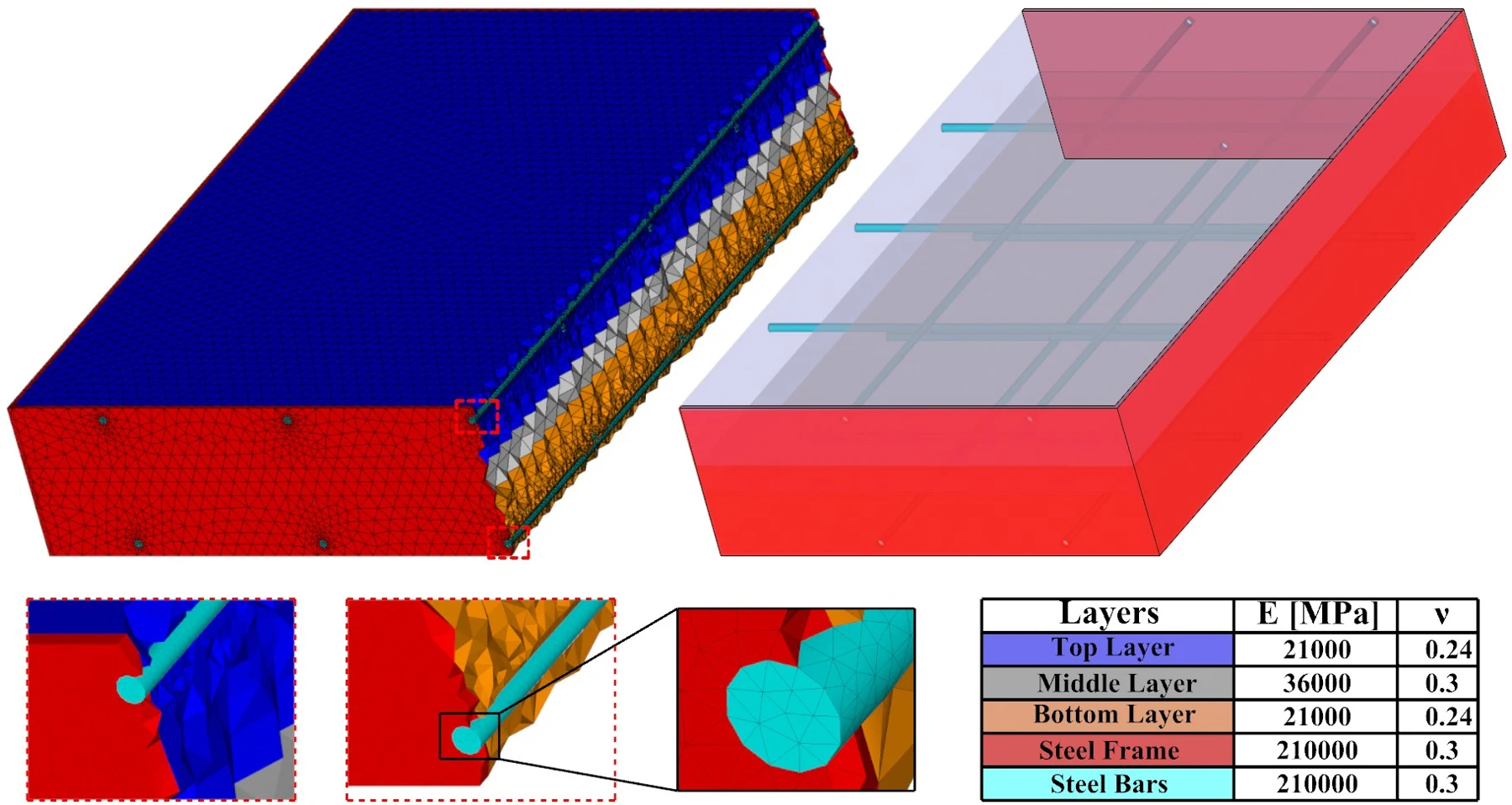
Supplied layered panel FE representation, from the collaborative manuscript. Fulgione, Palladino, Esposito, Sarfarazi & Modano; published Buildings study. Individual test leadership is not implied. Publication · 10.3390/buildings15213900
Engineering software / Streamlit
For panel-system engineers and modelling specialists
Translate panel geometry and load–displacement response into equivalent modelling properties.
Translate panel geometry and load–displacement response into equivalent modelling properties.
Panel geometry, reinforcement and material descriptors, applied load, bending and shear displacements
Equivalent thickness and elastic modulus; single or batch results
Compare reduced representations before committing to a detailed panel model.
ANSYS · Surrogate models
Credited collaborative publication, numerical models and supplied interface.
Shared contribution; equivalent properties require calibration for the intended panel system.
Public deployment has not been verified. The supplied interface and source establish the implementation shown.
Engineering record
Publisher contribution statement credits all five authors with software, validation and analysis. It does not establish sole leadership or a personally conducted test campaign.
The collaborative manuscript studies a three-layer composite panel, with bending and shear response used to inform equivalent mechanical properties. It links these properties to one-dimensional and three-dimensional representations and a prototype/modal-comparison context.
The engineering question is how much of the physical behaviour can be represented by equivalent modulus and thickness without losing the response features relevant to the intended analysis.
Published collaborative research in Buildings 15 (2025), 3900. Authors: Marcello Fulgione, Simone Palladino, Luca Esposito, Sina Sarfarazi and Mariano Modano.
The publisher credits all five authors with methodology, software, validation, formal analysis and investigation. This establishes shared contribution, without establishing sole test leadership or ownership of every model.
These items describe the collaborative study’s scope. They are not a list of independently commissioned services delivered on this project.
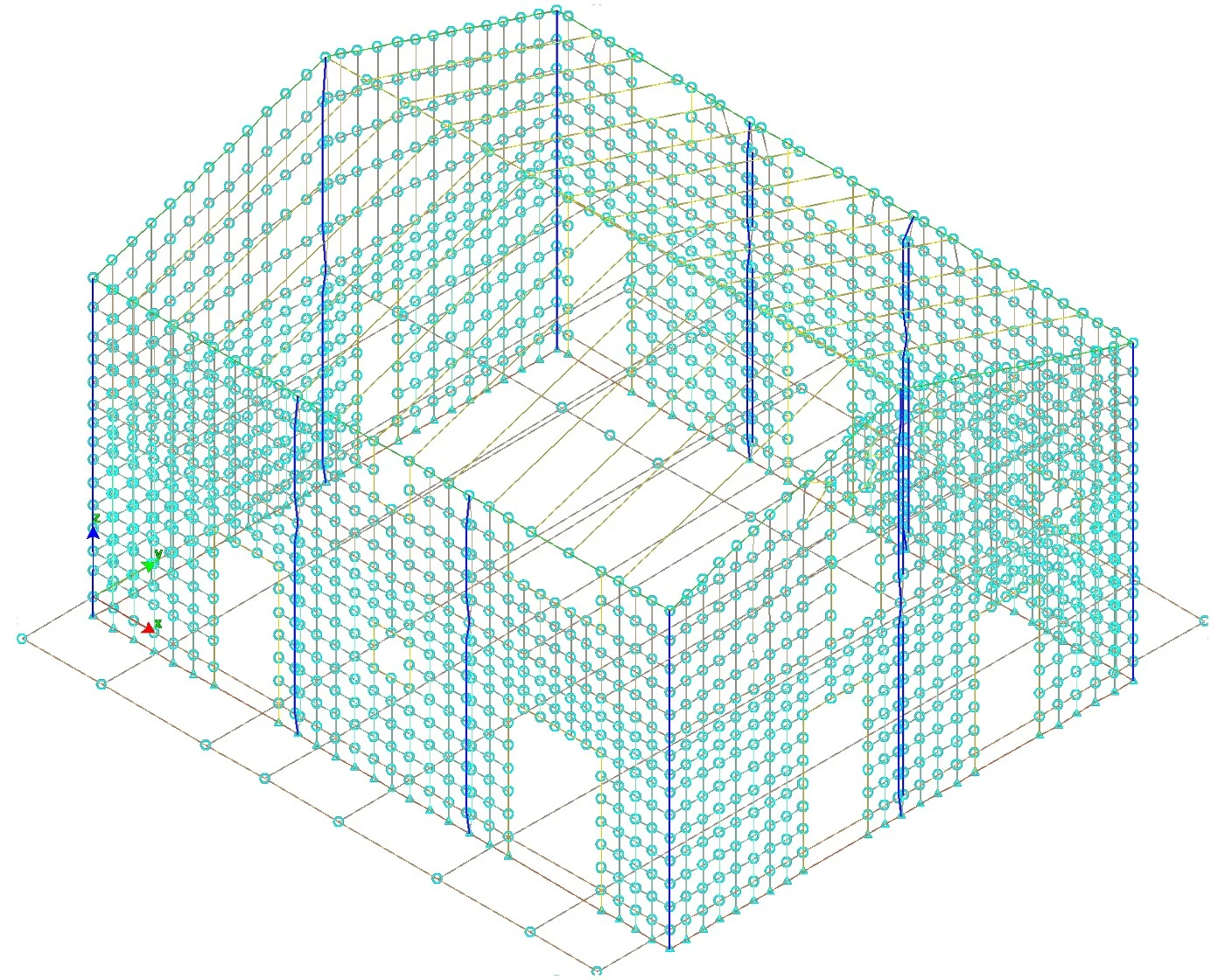
Supplied layered FE representations and model geometry make the research scope inspectable. Figures belong to the collaborative study.

Release-specific metrics remain withheld until their dataset and evaluation split are reconciled. Published status does not resolve every local file version.
A simplified equivalent-property model is useful only within a stated response and configuration. Bending, shear and modal comparisons should not be collapsed into a single generic accuracy claim.
This page documents the research direction and current evidence boundary. It does not establish a validated commercial panel design, certified product or delivered building performance.
Structural Analysis & FE Modelling describes the analysis scope that can be discussed for an assignment.
Research supporting this project
2025 · Buildings
Marcello Fulgione; Simone Palladino; Luca Esposito; Sina Sarfarazi; Mariano Modano
Continue exploring
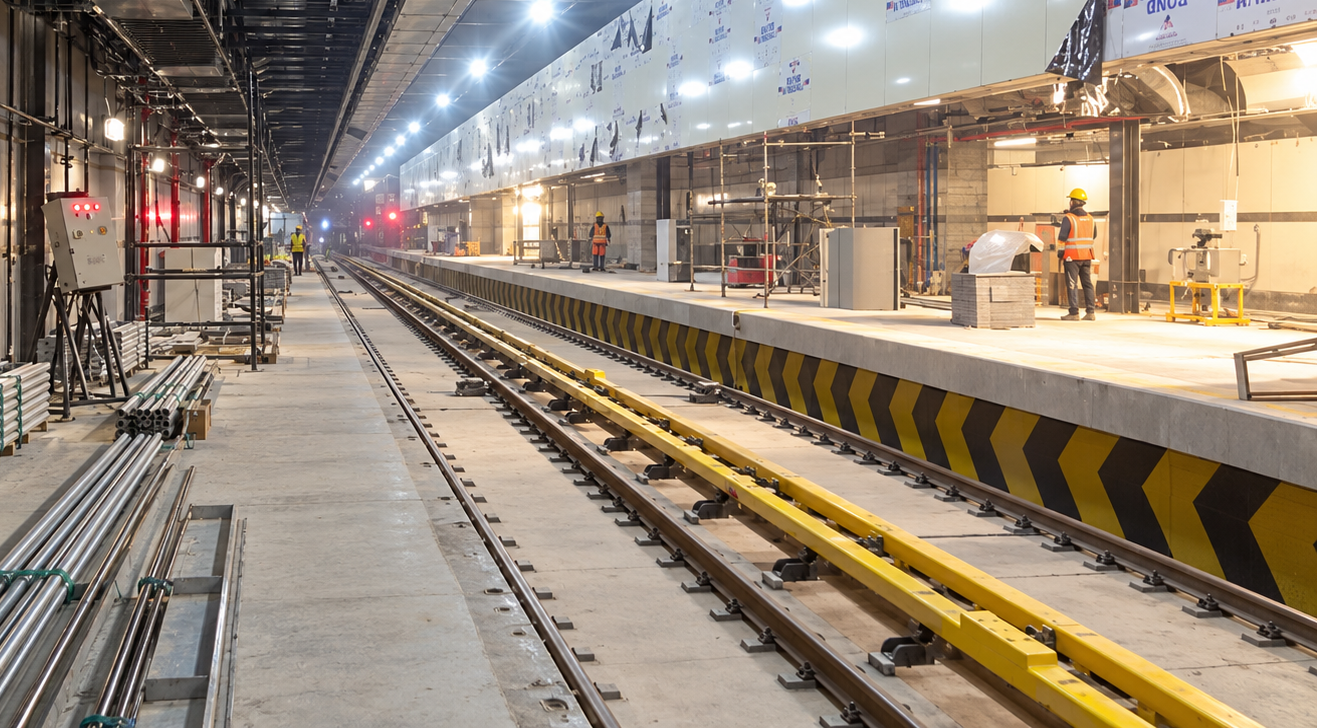
Structural supervision and multidisciplinary coordination during construction of the K2 and M2 metro stations in Mashhad, Iran.
Structural supervision · Construction coordination

Connect performance screening, candidate comparison and geometry output.
Surrogates · Inverse design
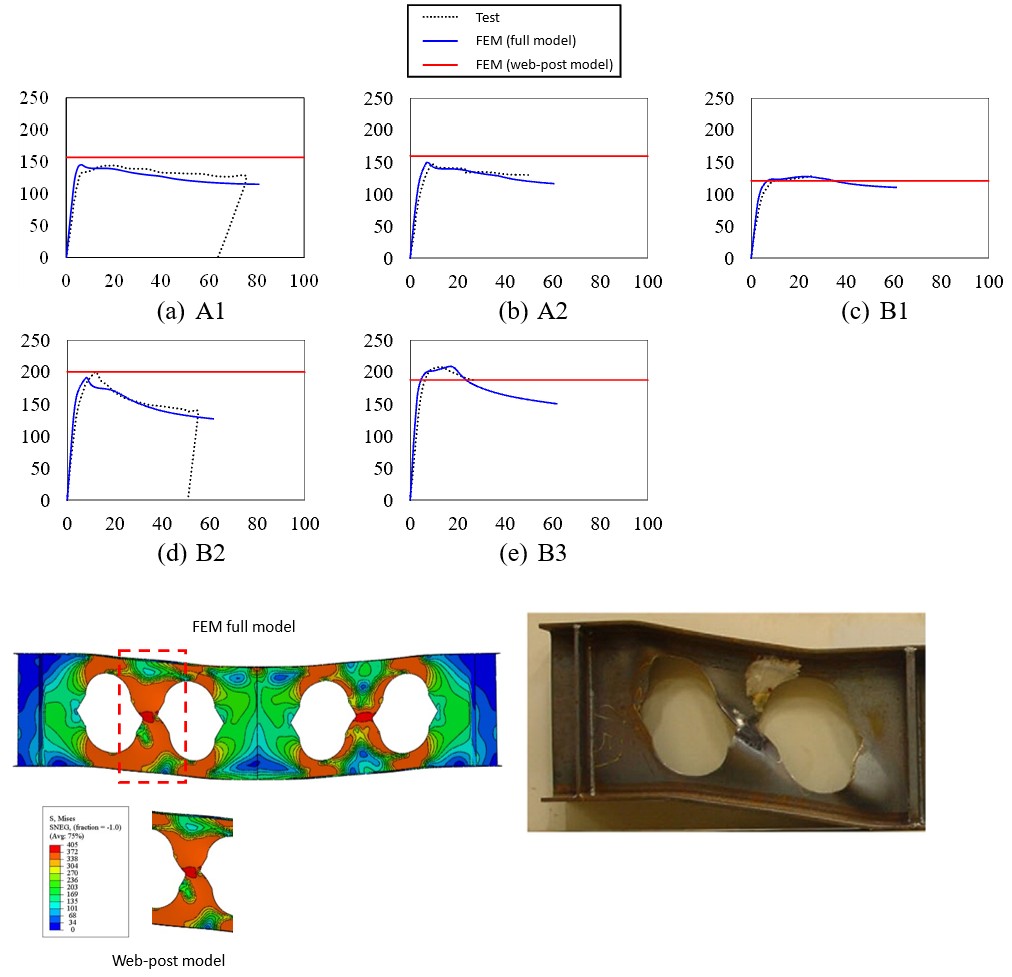
Search from a performance target towards possible parent sections.
Multi-output regression
Your next engineering question
An asset to verify. A response to understand.
A workflow to make repeatable.